
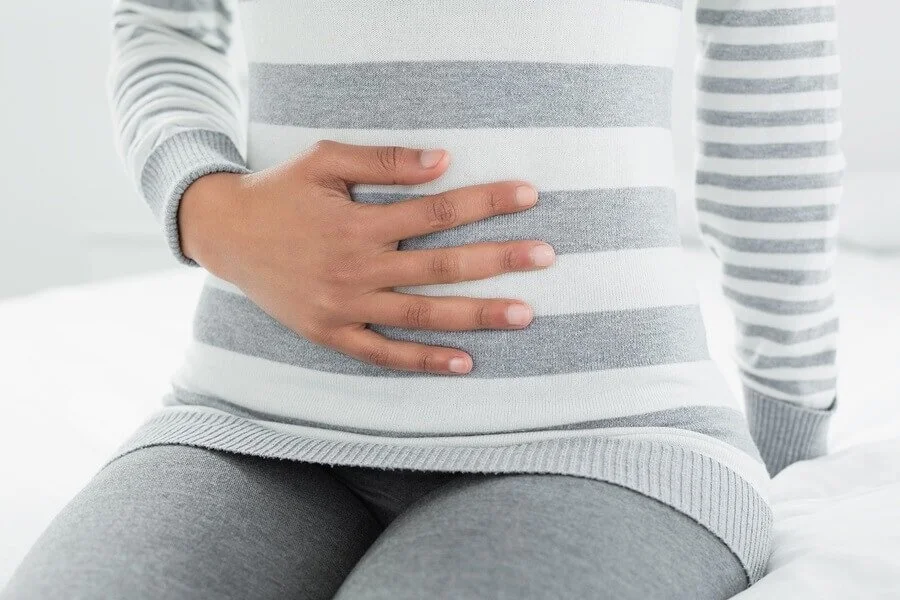
First Trimester
Once you’ve received a positive pregnancy test, you’re already several weeks into your first trimester! Early pregnancy is an exciting time, but along with the thrilling knowledge that you've created a new life come a variety of symptoms that may take a little getting used to. Not to worry - many of them lift by the end of the first trimester.
The most common symptoms include:
Breast tenderness
Heightened sense of smell or taste
Fatigue
Constipation
Bloating
Mood swings
Morning sickness/nausea
Food cravings/aversions
Frequent urination
Changes in your skin - pregnancy “glow” (if you’re lucky) or hormone-induced acne
Clear discharge (leukorrhea)
Visible veins
HELPFUL LINKS FOR YOUR FIRST TRIMESTER
-

NAUSEA AND VOMITING
-

MEDICATIONS AND PREGNANCY
-

EXERCISE DURING PREGNANCY
-

GENETIC TESTING
-

FOOD SAFETY DURING PREGNANCY
-

WEIGHT GAIN IN PREGNANCY
-

ULTRASOUNDS AND ROUTINE LAB TESTS
-

VACCINATIONS DURING PREGNANCY
-

ORAL HYGIENE AND PREGNANCY
-
TOXOPLASMOSIS
-
MATERNITY EDUCATION AT SENTARA MARTHA JEFFERSON
FIRST TRIMESTER SIGNS OF PREGNANCY COMPLICATIONS:
-
Vaginal bleeding is common in the first trimester and can occur in as many as 40% of pregnant women. And, while it can be very scary to experience bleeding in the first trimester, it is frequently not a sign of a miscarriage or other complication.
The most common causes of bleeding in the first trimester are:
• Implantation bleeding (a normal response of the uterus when the pregnancy first implants in the uterine wall)
• Various abnormalities in the cervix or vagina such as polyps or infections
• Miscarriage
• Ectopic pregnancy (a pregnancy in the fallopian tube)You should call the office if you experience bleeding during the first trimester. The nurse will review your bleeding with you and talk to you about the next steps. Most episodes of vaginal bleeding in the first trimester do not require a visit to the Emergency Room. If your bleeding occurs when the office is closed and you think you need to go the Emergency Room, you should first page the doctor on call. They can advise you if an Emergency Room visit is needed.
-
Experiencing a miscarriage can feel overwhelming, both physically and emotionally. Every experience is different, but understanding what to expect can help you feel more prepared and supported. Our guide covers common physical symptoms, comfort measures, warning signs to watch for, and when to contact your healthcare provider. Most importantly, we want you to know you are not alone.
Read how to care for yourself during this time.
-
The common cold, influenza, food poisoning, seasonal allergies, and Coronavirus, among other illnesses, know no boundaries and affect pregnant women just as frequently as they will affect non-pregnant women. However, treatment options during pregnancy are going to be more limited. If you feel like you have caught a cold or are having troubles with allergies, let us know and we can provide a list of medications that are approved for use in pregnancy. All pregnant women should receive the flu and COVID-19 vaccines, and you should call the office if you experience symptoms or come into close contact with someone who is sick.
-
Headaches are common in women; this is true during pregnancy, as well. Different types of headaches respond to pregnancy in different ways. For example, women who get headaches during their menstrual cycles will get relief from those types of headaches while they are pregnant. Migraine headaches may continue during pregnancy, with some women having them more frequently, some less frequently, and some with the same frequency as when they are not pregnant. One type of headache common to early pregnancy is the result of diet changes, often a decrease in caffeine intake. How your headaches are treated is going to depend on the type and frequency of them. First line treatments are hydration, rest and acetaminophen. If those are not helping, you should discuss your headaches at your next visit. Some women who have frequent headaches have gotten relief from taking a daily Magnesium supplement (400-500 mg daily).
-
Nausea with or without vomiting is a very common pregnancy symptom. For many women, the symptoms can be treated with attention to diet and use of over-the-counter remedies. However, some patients may experience more severe vomiting, known as hyperemesis gravidarum. Those patients experiencing severe nausea and vomiting will usually need prescription medications to help them with their symptoms. The most severe cases may experience dehydration that will need to be treated with intravenous fluids.
-
Pain when you urinate is frequently due to an infection in your bladder or kidneys. Pregnant women are at an increased risk of developing a bladder infection. However, not all pain with urination is due to an infection. If you are experiencing pain with urination, call our office so that we can make arrangements to test your urine. If your urine tests show evidence of an infection, you will be prescribed an antibiotic. Increased hydration and real cranberry juice (not cranberry cocktail juice) can help stop early infections.