

Toxoplasmosis
WHAT IS TOXOPLASMOSIS?
Toxoplasmosis is an infection caused by the parasite Toxoplasma gondii. Common symptoms of toxoplasmosis include fevers, chills, sweats, headaches and body aches, and enlarged lymph nodes, among others. More than 80% of people who are infected with Toxoplasma are asymptomatic and will never know they had an infection. So, for most people, toxoplasmosis is a limited illness with few health concerns. However, when a pregnant woman develops toxoplasmosis, the parasite can pass through the placenta and cause an infection in the baby. Newborn infections are rare, occurring in only 1 in 10,000 live births.
HOW TOXOPLASMOSIS IS SPREAD
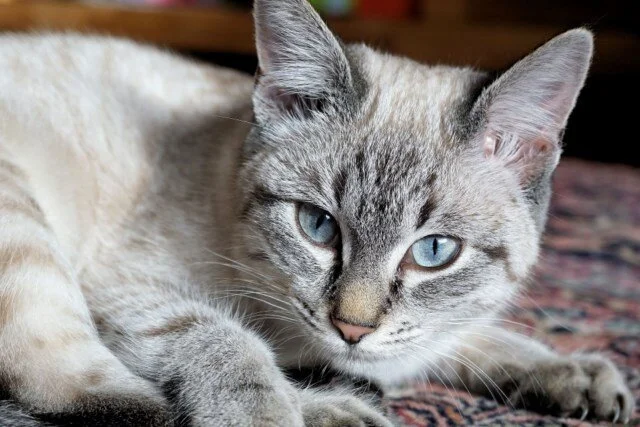
Toxoplasma spores are found in many animals, but the parasite itself can only reproduce if the spores are eaten by cats. When a cat eats an infected rodent or bird, the spores reproduce in the cat and are then passed in the cat’s feces. Cats and kittens prefer litter boxes, garden soils, and sandboxes for elimination, and you can become exposed by touching your mouth after changing a litter box, or after gardening without gloves. Fruits and vegetables may also come in contact with contaminated soil or water, which is why it’s important to wash, cook and/or peel them.
Humans are also exposed to Toxoplasma by eating undercooked or raw meat.
HOW TOXOPLASMOSIS CAN AFFECT YOU OR YOUR BABY
Toxoplasma can be passed to your baby if you are newly infected while you are pregnant, or just before pregnancy. You may not have any symptoms from the infection, and 90% of infants born with an infection also do not have any symptoms. But the infected infants that do develop symptoms can develop blindness or other serious brain and central nervous system disorders. Infections earlier in pregnancy are usually more severe than ones that occur later in a pregnancy.
WAYS YOU CAN PREVENT TOXOPLASMOSIS
While cats are the only host that can pass a live infection, this can only happen once in a cat’s life and will only take place for 1-3 weeks. The spores passed by a cat can survive for up to one year. The risks of getting toxoplasmosis from your cat are very low and you do not need to get rid of your cat. If you do have a cat, take the following precautions:
Let others change the cat litter, if possible. If no one else can help, wear disposable gloves and wash your hands with soap and water afterwards. Also, ensure that the cat litter box is changed daily. The Toxoplasma parasite does not become infectious until 1 to 5 days after it is shed in a cat’s feces.
Feed your cat commercial dry or canned food, not raw or undercooked meats
Keep your cat indoors
Keep outdoor sandboxes covered
Wear gloves when gardening and during contact with soil or sand, and wash your hands with soap and water afterwards.
Do no eat raw or undercooked meat and thoroughly clean all surfaces and knives when you are preparing meat. Toxoplasma spores in meat will be killed either by cooking the meat fully (152 degrees Fahrenheit) or by freezing the meat for at least 24 hours.