Food Safety
Food safety is important for everyone, but it’s especially important to pregnant women due to changes in your immune system that make you more susceptible to food-borne illnesses. Here, we highlight our most common recommendations, but feel free to ask us specific questions relating to your diet during your visit.
FOODS TO AVOID OR LIMIT DURING PREGNANCY
AVOID
Soft cheese, unless it clearly sates the cheeses are made from pasteurized milk
Uncooked meats, like refrigerated pâtés or meat spreads
Raw or undercooked meats, poultry and pork
Deli meats and hot dogs, unless they are heated until steaming hot just before serving
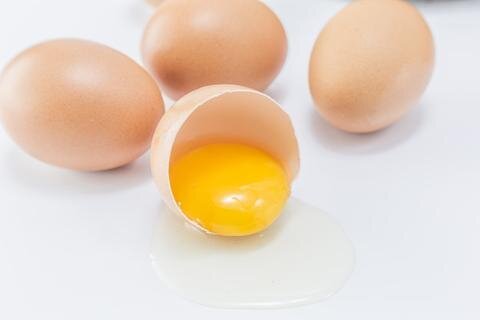
Raw eggs
Raw cookie dough that contains eggs
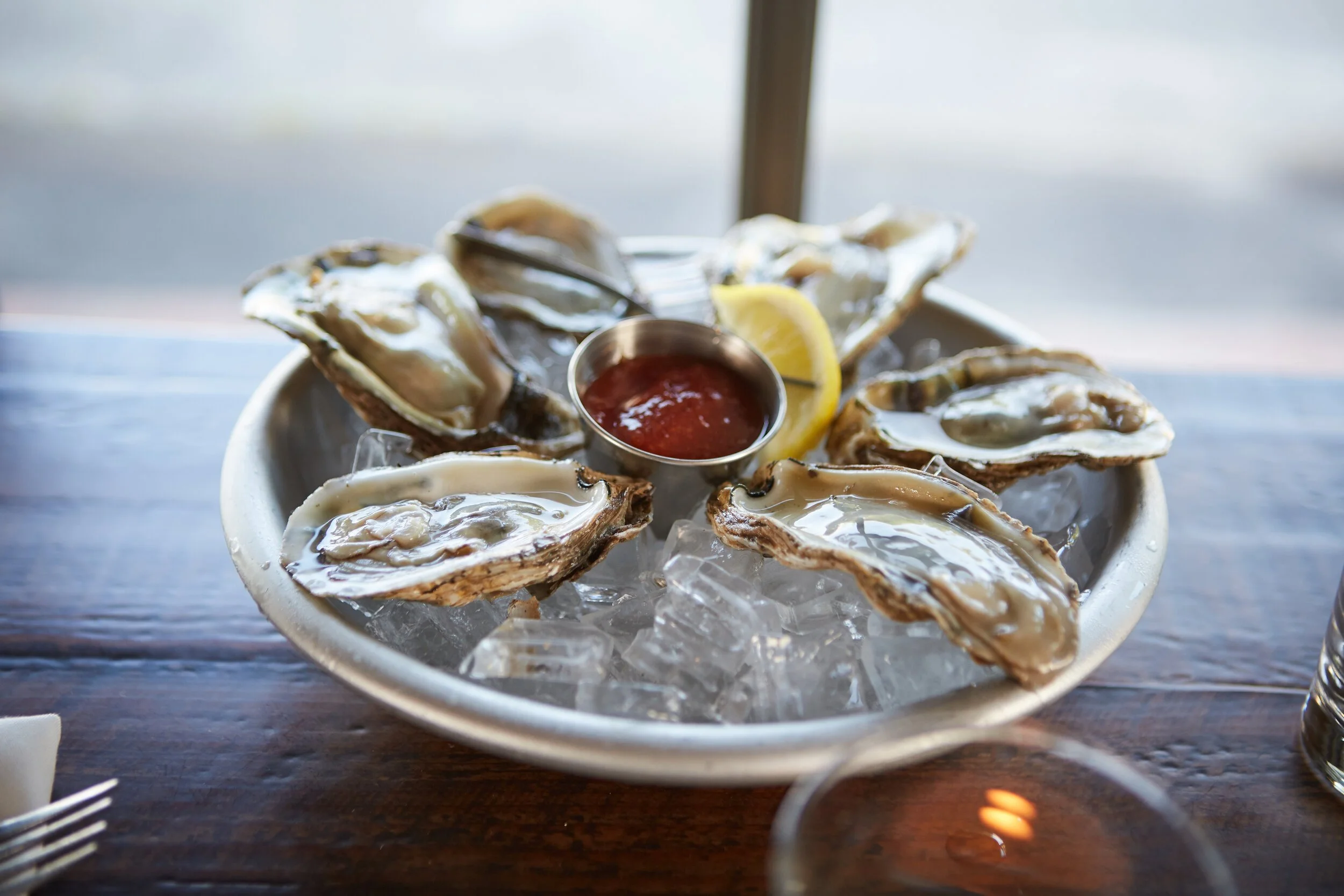
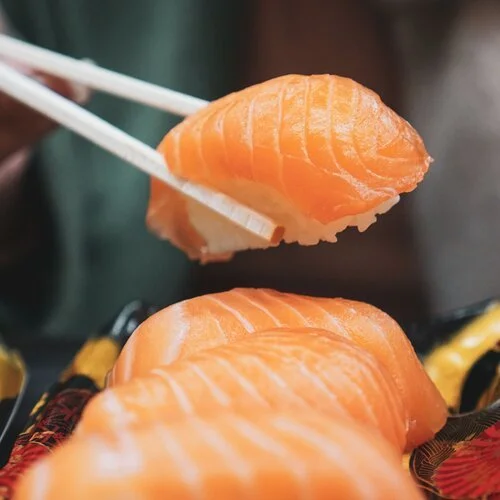
Raw fish
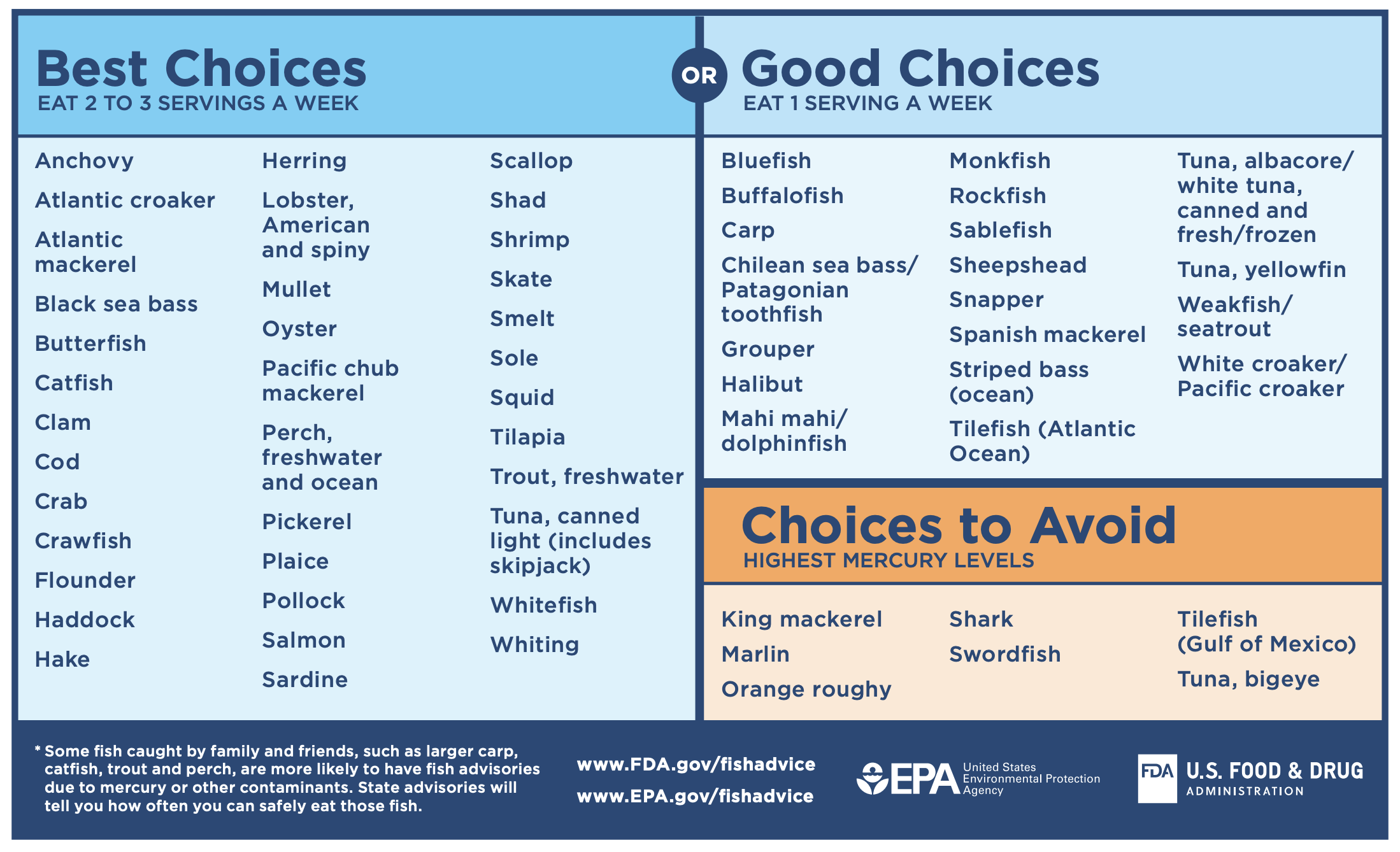
Fish with high levels of mercury: Some types of fish have higher levels of mercury than others. Mercury is a metal that has been linked to birth defects. Do not eat bigeye tuna, king mackerel, marlin, orange roughy, shark, swordfish, or tilefish. Limit white (albacore) tuna to only 6 oz a week. You also should check advisories about fish caught in local waters.
Smoked seafood
Raw sprouts
Raw unpasteurized fruit juice or unpasteurized dairy products
Beverages containing sugar should be discontinued in pregnancy or consumed very sparingly, including sweet tea, soda, and energy drinks with sugar. These provide zero nutrition, can cause significant weight gain in pregnant women and fetuses, and can increase the chance of diabetes in pregnancy.
LIMIT
Caffeine (8-12 oz. of coffee per day is ok*)
*It is generally advised that women drink less than 200 mg (8-12 oz.) of caffeine per day while pregnant. However, the amount of caffeine can vary greatly in a "cup of coffee." Here are some interesting facts to keep in mind:
Lighter roasts have MORE caffeine than darker roasts
Starbucks Coffee has more caffeine than the average cup (95mg for an 8 oz cup): A short (8 oz) of Medium Roast Pike's Place has 155mg and a Tall (12 oz) has 235mg!
A tall espresso drink with two shots of espresso has less caffeine than a tall cup of medium-brewed coffee.
Fish that doesn't have a lot of mercury, including shrimp, salmon, pollock, catfish and canned light tuna (see below)
TIPS ON SAFE FOOD HANDLING AND PROCESSING
Wash cutting boards and equipment used to cut raw meat with hot soap and water
Wash and peel raw fruits and vegetables before eating
Wash hands after handling hot dogs, luncheon meats or deli meats
Cook meat and eggs to 160 degrees Fahrenheit (71.1 degrees Celsius)
Cook seafood to 145 degrees Fahrenheit (62.8 degrees Celsius)
ADVICE ON EATING FISH WHILE PREGNANT
FDA and EPA have issued advice regarding eating fish. This advice can help women who are pregnant or may become pregnant - as well as breastfeeding mothers and parents and caregivers feeding children 2 years and older - make informed choices when it comes to fish that are nutritious and safe to eat.
Fish are part of a healthy eating pattern and provide:
Protein
Healthy omega-3 fats (called DHA and EPA)
More vitamin B12 and vitamin D than any other type of food
Iron, which is important for infants, young children, and women who are pregnant or who could become pregnant
Other minerals, like selenium, zinc and iodine
While it is important to limit mercury in the diets of women who are pregnant and breastfeeding and young children, many types of fish are both nutritious and lower in mercury. Women who are pregnant or breastfeeding can consume between 8 and 12 ounces of a variety of seafood per week from choices that are lower in mercury. Please see the chart below with recommendations of best choices and choices to avoid.
To learn more advice about eating fish and shellfish while pregnant, click here.