
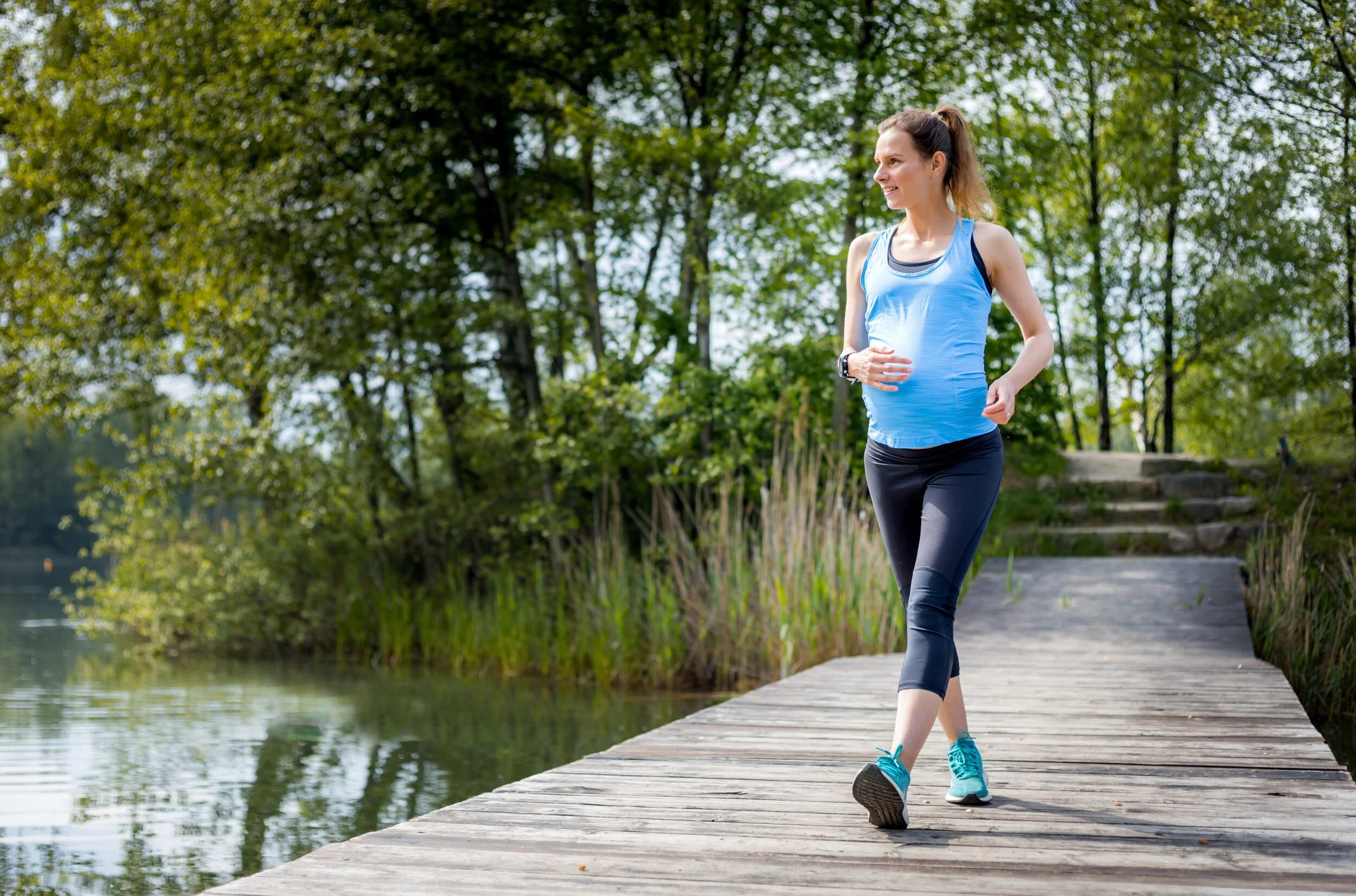
Exercise During Pregnancy
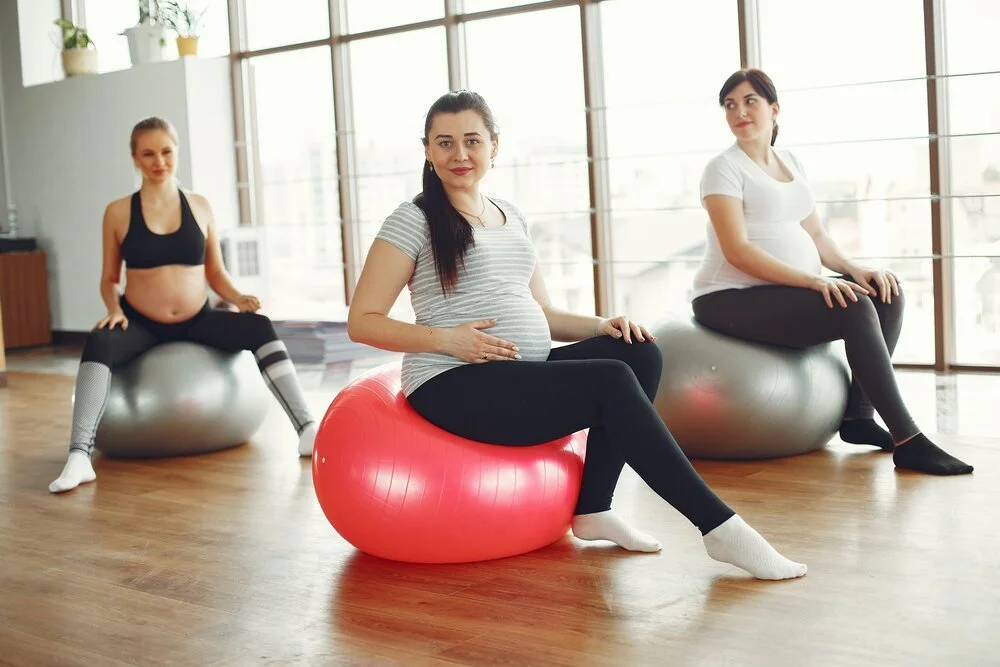
IS IT SAFE TO EXERCISE DURING PREGNANCY?
If you are healthy and your pregnancy is normal, it is safe to continue or start regular physical activity. Physical activity does not increase your risk of miscarriage, low birth weight, or early delivery. However, it is important to discuss exercise with your obstetrician or other member of your health care team during your early prenatal visits. If your health care professional gives you the OK to exercise, you can discuss what activities you can do safely.
WHAT ARE THE BENEFITS OF EXERCISE DURING PREGNANCY?
Moving your body in pregnancy helps almost every single symptom of pregnancy and most importantly, decreases anxiety and helps elevate mood in pregnant women. There are even scientific studies that show increased neuronal activity (more brain activity!) in children of women who exercised in pregnancy. Childbirth is a physical event, and regularly moving your body in pregnancy is training for this! In addition, exercise:
Reduces back pain
Eases constipation
May decrease your risk of gestational diabetes, preeclampsia, and cesarean delivery
Promotes healthy weight gain during pregnancy
Improves your overall general fitness and strengthens your heart and blood vessels
Helps you to lose the baby weight after your baby is born
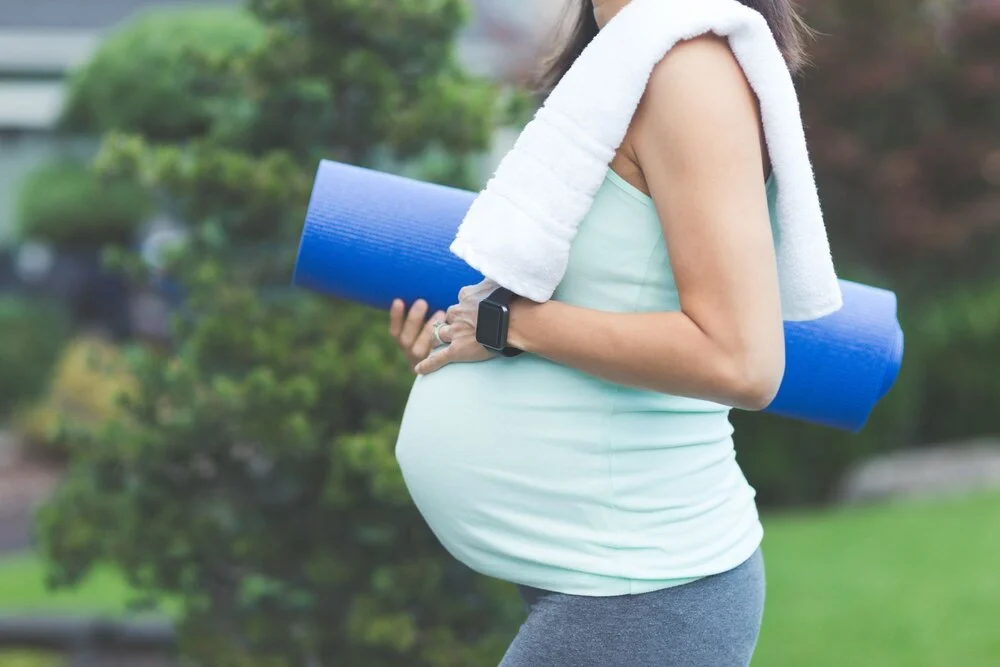
WHAT PRECAUTIONS SHOULD I TAKE WHEN EXERCISING DURING PREGNANCY?
There are a few precautions that pregnant women should keep in mind during exercise:
Drink plenty of water before, during, and after your workout. Signs of dehydration include dizziness, a racing or pounding heart, and urinating only small amounts or having urine that is dark yellow.
Wear a sports bra that gives lots of support to help protect your breasts. Later in pregnancy, a belly support belt may reduce discomfort while walking or running.
Avoid becoming overheated, especially in the first trimester. Drink plenty of water, wear loose-fitting clothing, and exercise in a temperature-controlled room. Do not exercise outside when it is very hot or humid.
Avoid standing still or lying flat on your back as much as possible. When you lie on your back, your uterus presses on a large vein that returns blood to the heart. Standing motionless can cause blood to pool in your legs and feet. These positions may cause your blood pressure to decrease for a short time.
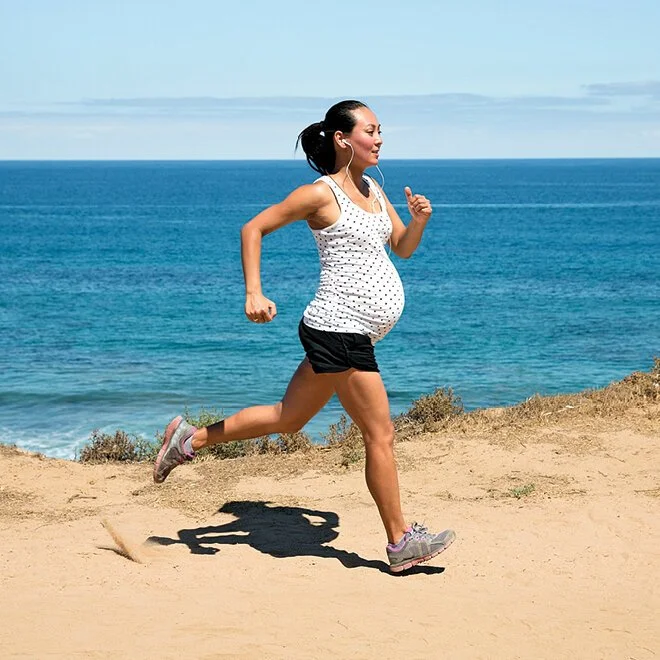
ARE THERE CERTAIN CONDITIONS THAT MAKE EXERCISE DURING PREGNANCY UNSAFE?
Women with the following conditions or pregnancy complications should not exercise during pregnancy:
Certain types of heart and lung diseases
Cervical insufficiency or cerclage
Being pregnant with twins or triplets (or more) with risk factors for preterm labor
Placenta previa after 26 weeks of pregnancy
Preterm labor or ruptured membranes (your water has broken) during this pregnancy regular physical activity
Preeclampsia or pregnancy-induced high blood pressure
Severe anemia