
Weight Gain and Pregnancy
WHY DOES MY WEIGHT DURING PREGNANCY MATTER?
Weight gain during your pregnancy matters for your health and your baby’s healthy development. There is no one-size-fits-all approach when it comes to pregnancy weight gain. However, there are guidelines for appropriate weight gain based on various factors, including your pre-pregnancy weight and body mass index (BMI).
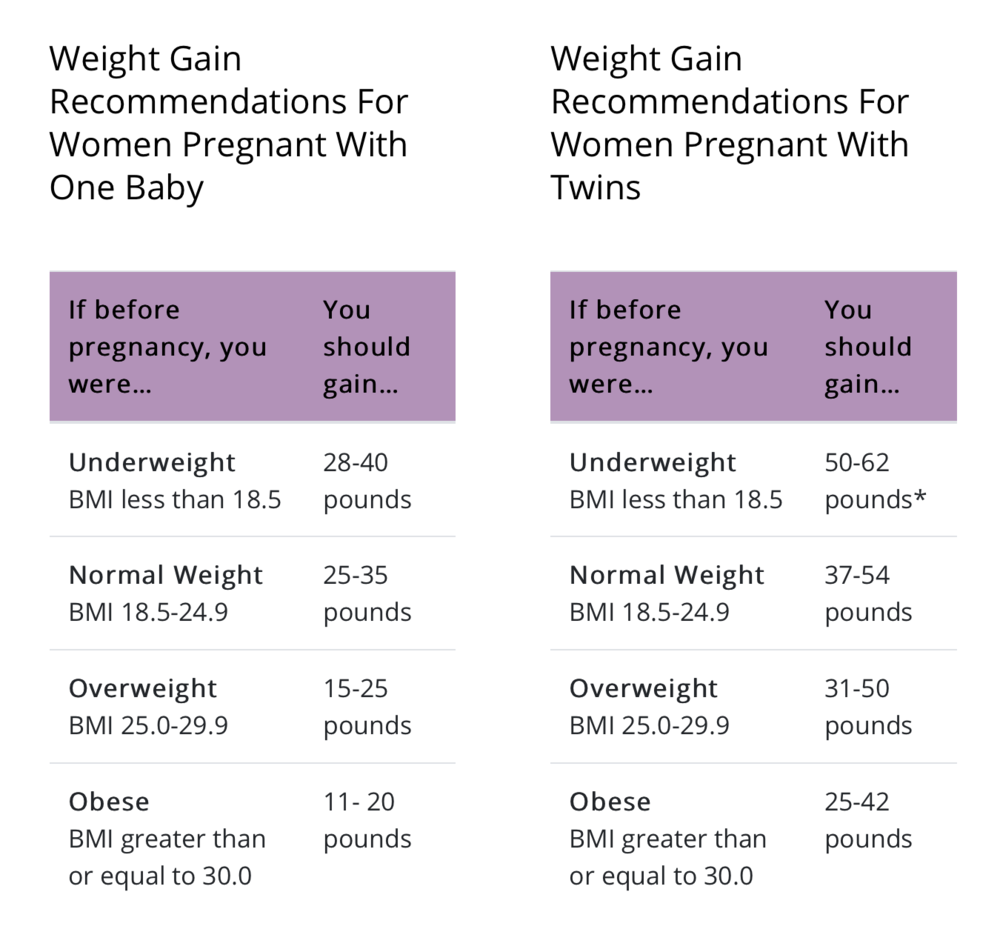
HOW MUCH WEIGHT GAIN IS RECOMMENDED?
We will work with you to determine a healthy amount based on your pre-pregnancy weight and body mass index (BMI), but this chart is used as a guideline. You can use this site to help calculate your BMI, based on your pre-pregnancy weight and height.
WHAT ARE THE RISKS ASSOCIATED WITH OBESITY?
A BMI of 30 or higher, which defines obesity, increases the following risks:
Miscarriage
Birth defects
Detection of abnormalities on ultrasound
High blood pressure
Labor induction
Skin, wound, and bladder infections
Life-threatening blood clots
Anesthesia complications
Increased likelihood for cesarean section
Stillbirth (delivery of deceased baby)
Larger (macrosomic) baby with a higher risk of diabetes and obesity
Delivery complications, such as shoulder dystocia and a higher chance of vaginal lacerations
We recommend a consultation with our anesthesiologists to certain pregnant women who have medical complications or who might have difficulty with receiving an epidural, spinal, or general anesthesia.
We might recommend certain pregnant women with a BMI over 50 (can be calculated based on your height and weight) with medical complications be delivered at a tertiary care center, such as UVA. This ensures there is a team of high-risk obstetricians and neonatal intensive care team to care for these women and their babies.
MANAGING WEIGHT GAIN
If you are interested, we can refer you to a registered dietician to help manage weight gain and proper nutrition during your pregnancy. The main focus should be filling your body with nutrient-dense, healthy foods. Stay active and move your body for at least 30 minutes every day.
Daily walks are an excellent way to prepare your body for pregnancy and delivery.
Certain risk factors may indicate the need for an early diabetes test. A first or repeat test will be conducted around 28 weeks. If we diagnose you with gestational diabetes (abnormal blood sugars in pregnancy), we will have you meet with an endocrinologist who will monitor your blood sugars and possibly recommend insulin shots to keep your sugar levels normal.
The providers at Jefferson OBGYN and the staff at Martha Jefferson Hospital want to provide you with the safest care possible and want to work with you to help you achieve your healthiest pregnancy and birth.