
High Blood Pressure and Preeclampsia
WHAT IS HIGH BLOOD PRESSURE?
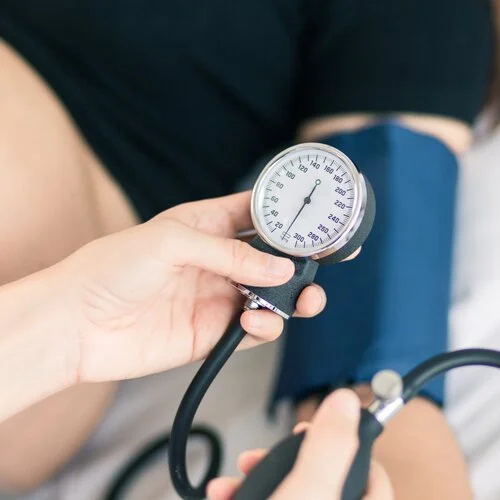
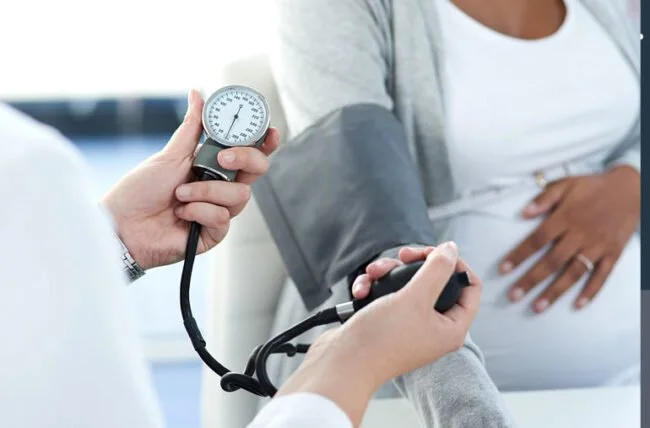
Blood pressure is the pressure of the blood against the blood vessel walls each time the heart contracts (squeezes) to pump the blood through your body (see FAQ123 Managing High Blood Pressure). High blood pressure also is called hypertension. Hypertension can lead to health problems. During pregnancy, severe or uncontrolled hypertension can cause complications for you and your fetus.
WHAT KINDS OF PROBLEMS CAN HYPERTENSION CAUSE DURING PREGNANCY?
High blood pressure during pregnancy can place extra stress on your heart and kidneys and can increase your risk of heart disease, kidney disease, and stroke. Other possible complications include the following:
Fetal growth restriction—High blood pressure can decrease the flow of nutrients to the fetus through the placenta. The fetus may have growth problems as a result.
Preeclampsia—This condition is more likely to occur in women with chronic high blood pressure than in women with normal blood pressure.
Preterm delivery—If the placenta is not providing enough nutrients and oxygen to your fetus, it may be recommended that early delivery is better for your baby than allowing the pregnancy to continue.
Placental abruption—This condition, in which the placenta prematurely detaches from the wall of the uterus, is a medical emergency that requires immediate treatment.
Cesarean birth—Women with hypertension are more likely to have a cesarean birth than women with normal blood pressure.
WHAT IS PREECLAMPSIA?
Preeclampsia is a serious blood pressure disorder that can affect all of the organs in a woman’s body. A woman has preeclampsia when she has high blood pressure and other signs that her organ systems are not working normally. One of these signs is proteinuria (an abnormal amount of protein in the urine). A woman with preeclampsia whose condition is worsening will develop other signs and symptoms known as “severe features.” These include a low number of platelets in the blood, abnormal kidney or liver function, pain over the upper abdomen, changes in vision, fluid in the lungs, or a severe headache. A very high blood pressure reading also is considered a severe feature.
WHEN DOES PREECLAMPSIA OCCUR?

It usually occurs after 20 weeks of pregnancy, typically in the third trimester. When it occurs before 34 weeks of pregnancy, it is called early-onset preeclampsia. It also can occur in the postpartum period.
WHAT ARE THE RISKS FOR ME AND MY BABY IF PREECLAMPSIA OCCURS?
Women who have had preeclampsia—especially those whose babies were born preterm—have an increased risk later in life of cardiovascular disease and kidney disease, including heart attack, stroke, and high blood pressure. Having preeclampsia once increases the risk of having it again in a future pregnancy. Preeclampsia also can lead to seizures, a condition called eclampsia. It also can lead to HELLP syndrome. (Click on the button below to learn more about HELLP syndrome.)
If preeclampsia occurs during pregnancy, your baby may need to be delivered right away, even if he or she is not fully grown. Preterm babies have an increased risk of serious complications. Some preterm complications last a lifetime and require ongoing medical care.