What is Human Papillomavirus?
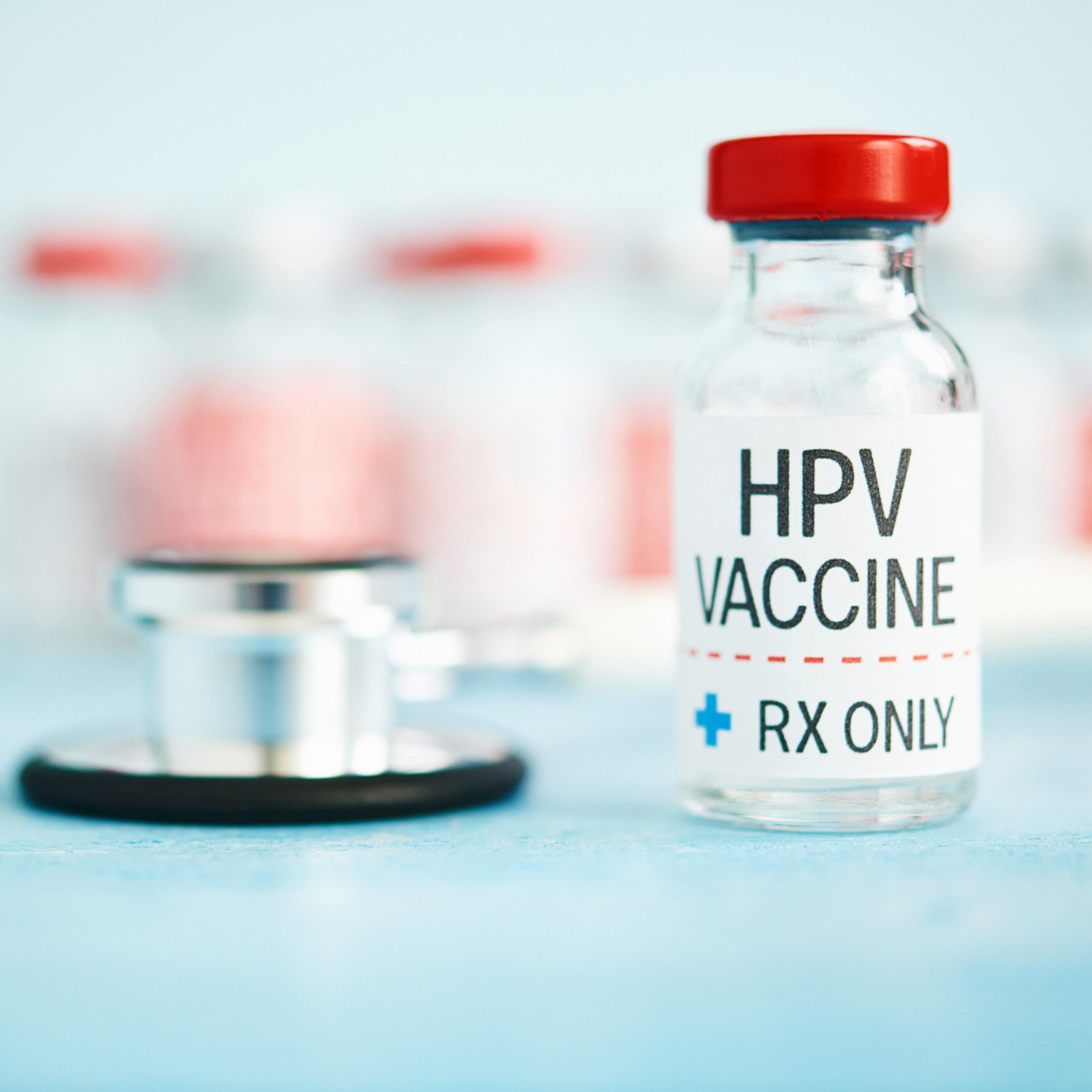
January is Cervical Health Awareness Month. A cervical cancer screening is used to find changes in the cells of the cervix that could lead to cancer. A typical screening includes a Pap test and, for some women, testing for human papillomavirus (HPV).
What is HPV?
HPV causes infection by entering cells. Once inside a cell, HPV takes control of the cell’s internal machinery and uses it to make copies of itself. These copies then infect other nearby cells. HPV infection is a slow process. In most people, the immune system clears the body of HPV before it causes disease. HPV infections can cause genital warts. HPV infections also can cause changes in cells that can lead to cancer over time, including cancer of the cervix.
How common is HPV?
HPV infection is the most common sexually transmitted infection (STI) in the United States. Most people who have sex will get an HPV infection at some point in their lives.
How is HPV transmitted?
There are about 40 types of HPV that typically infect the genitals. These HPV types are spread by skin-to-skin contact during vaginal, anal, or oral sex. You can get a genital HPV infection even if you do not have sexual intercourse.
When should I get HPV screening?
HPV testing is not recommended until age 30. Women aged 30–65 years should have a Pap test and an HPV test (called ‘co-testing’) every five years.
Can I get the HPV vaccine?
The Human papillomavirus virus vaccine has been approved past age 27 and through age 45. If you have not gotten the HPV vaccine and are at risk of a new HPV infection please talk to your health care practitioner about whether you need the HPV vaccine. Having an HPV vaccination does not change screening recommendations. Women who have been vaccinated against HPV still need to follow the screening recommendations for their age group.
If I’ve tested positive at some point for HPV, can you still get the vaccine?
YES! The vaccine covers multiple strains of HPV so even if you are positive for one strain it can protect you from others.
If you have additional questions about cervical health or regular screenings, be sure to ask your doctor at your next appointment.